电竞教育兴起,欧美高校纷纷开设专业,未来可期!
灯光如同撕裂夜空的闪电,每一次闪烁都牵动着数万观众的心弦。空气中弥漫着汗水、肾上腺素与廉价香水混合的奇特味道,伴随着解说员嘶吼的节拍,观众席上的呐喊声浪此起彼伏,汇聚成一股股洪流,裹挟着赛场上的每一个选手。我,一名扎根体育与电竞前沿多年的记者,此刻就置身于这场狂欢的中心。这是一场关乎荣耀、技巧与梦想的较量,更是电子竞技在高等教育领域崭露头角、孕育未来的生动注脚。欧美高校的专业开设,如同一道破晓的曙光,预示着这条曾经被质疑的赛道,正以一种前所未有的姿态,走向更加广阔和专业化的未来,其潜力与前景,值得我们深入探索与解读。
赛场之上激战
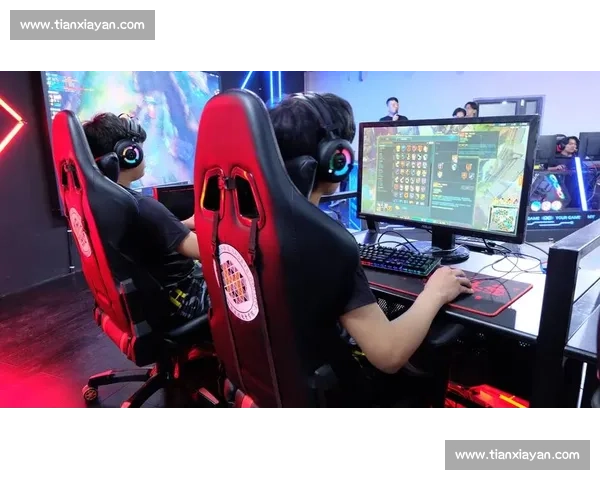
我挤在拥挤的媒体席上,手中的相机镜头几乎要贴到眼球。屏幕上, five young men and women, bathed in the cold light of the monitor, are engaged in a fierce battle. Their fingers dance on the keyboard and mouse, a blur of motion that belies the intense concentration etched on their faces. The rhythmic clicking of keys and the whirring of fans are the only sounds that pierce the deafening roar of the crowd. Each player's breathing is shallow and rapid, a testament to the physical and mental exertion. A bead of sweat trickles down the temple of the team's captain, a momentary distraction that could spell disaster.
“Gank from the top! Watch out for the flank!” the commentator’s voice cracks, amplified by speakers that seem to strain under the pressure. The crowd roars with every successful maneuver, groans in collective agony at every misstep. On stage, the players remain eerily still, their world reduced to the glowing pixels before them. They are not just playing a game; they are engaged in a high-stakes strategic war, their every decision rippling through the virtual battlefield and echoing in the hearts of thousands.
Suddenly, a decisive team fight erupts. The screen becomes a kaleidoscope of explosions, flashing lights, and frantic movements. The tension in the air is palpable, so thick you could cut it with a knife. A player, usually stoic, lets out a guttural cry as he lands a critical blow. Another, his face pale, slumps slightly in his chair, defeated. This is the raw, unadulterated emotion of esports, a whirlwind of triumph and despair played out on a global stage.
欧洲高校布局
The roar of the crowd fades as I recall my recent conversations with academics and university administrators in Europe. The shift is undeniable. Institutions that once viewed esports as a niche hobby are now actively integrating it into their academic offerings. Universities across the continent are not just offering courses; they are establishing dedicated esports programs, complete with specialized training facilities, curriculum development, and research opportunities.
Take, for instance, the burgeoning scene in the United Kingdom. Esports degrees are becoming increasingly common, attracting students who are not only passionate gamers but also eager to learn about the business, marketing, and management aspects of the industry. These programs often go beyond simply teaching game mechanics; they delve into event management, broadcast production, team psychology, and even the legal frameworks surrounding competitive gaming.
Similarly, in countries like Germany and the Netherlands, a growing number of universities are recognizing the economic and social impact of esports. They are creating pathways for students to pursue careers in the esports ecosystem, whether as analysts, coaches, content creators, or professional players. This proactive approach signals a maturation of the industry and a belief in its long-term viability.
美国高校的探索
Across the Atlantic, the United States is also witnessing a significant embrace of esports education. While the professional esports scene has been booming for years, the academic integration has been a more gradual but equally impactful evolution. Universities are realizing that esports represents a legitimate field of study with a robust global industry behind it.
Many American universities have introduced esports management programs, focusing on the business side of the industry. These programs equip students with skills in marketing, sponsorship acquisition, financial management, and event planning, preparing them for roles in esports organizations, tournament organizers, and related companies. The curriculum often includes case studies of successful esports ventures and the challenges they face.
Beyond management, some institutions are exploring the performance aspects of esports. While not always resulting in a formal "esports degree," many have established varsity esports teams, offering scholarships and dedicated coaching. This mirrors traditional collegiate sports, providing a structured environment for aspiring professional players to hone their skills while pursuing their education. The focus here is on developing discipline, teamwork, and strategic thinking under pressure.
人才培养与未来
The establishment of these academic programs is not merely about catering to a growing hobby; it's about recognizing the complex skill sets required for success in the modern esports landscape. It's about nurturing talent that extends far beyond in-game prowess. These educational initiatives are designed to cultivate a new generation of professionals who can contribute to the industry's growth in diverse capacities.
mk体育,mk体育官网,mk体育官网入口,mk体育平台Consider the demand for skilled individuals in areas like esports broadcasting and production. Universities are now offering courses that train students in the technical aspects of streaming, camera work, graphic design, and commentary. This is crucial for elevating the quality of esports content and making it more accessible and engaging for a wider audience, moving beyond the niche of hardcore gamers.
Furthermore, the psychological and physiological demands of professional gaming are being recognized. Some programs are beginning to incorporate modules on sports psychology, nutrition, and physical conditioning tailored to the unique needs of esports athletes. This holistic approach aims to ensure the well-being and longevity of players, addressing issues like burnout, mental fatigue, and repetitive strain injuries, thereby fostering a more sustainable and professional career path.
产业赋能与价值
The increasing academic legitimacy of esports is a powerful engine for the industry's ongoing development. When universities invest in esports education, they not only provide students with specialized training but also lend credibility and structure to the entire ecosystem. This academic recognition attracts further investment, sponsorship, and media attention, solidifying esports' position as a significant cultural and economic force.
These programs are creating a pipeline of talent that can fill the diverse roles needed within the rapidly expanding esports industry. From marketing and public relations to event management and legal consulting, graduates are equipped with the knowledge and skills to contribute professionally. This professionalization is key to the industry's long-term sustainability and its ability to attract mainstream audiences and corporate partners, transforming it from a purely player-driven phenomenon to a multifaceted business sector.
The integration of esports into higher education also fosters critical research and innovation. Academics are now exploring the pedagogical benefits of gaming, the social dynamics of online communities, and the potential therapeutic applications of virtual environments. This academic scrutiny not only deepens our understanding of esports but also opens up new avenues for its positive application, ensuring that its growth is not just rapid, but also thoughtful and beneficial.
总结:
站在这个电子竞技的潮头浪尖,我深切感受到,那些曾被视为“玩物丧志”的虚拟战场,正以一种令人惊叹的姿态,攀登至教育的殿堂。欧美高校纷纷开设电竞专业,这不仅仅是对一项新兴产业的拥抱,更是对未来人才培养模式的深刻革新。从赛场上选手们专注的眼神,到课堂里学生们求知的渴望,我看到了一个充满无限可能的未来正在徐徐展开,一个将竞技、技术、商业与学术深度融合的崭新纪元。
电竞教育的兴起,标志着我们对“职业”的定义正在拓宽,对“技能”的认知也在深化。它不仅仅关乎胜负,更关乎策略、协作、心理素质以及商业运作。当知识的深度与竞技的热血碰撞,当学术的严谨遇上赛场的激情,我相信,未来将涌现出更多真正意义上的“电竞人”,他们不仅能叱咤风云于虚拟世界,更能用所学知识和专业素养,推动整个电竞产业向着更加健康、多元和可持续的方向发展。这,或许才是电竞教育最令人期待的未来图景。